
Disclosure: This article contains affiliate links. If you buy through a link, we may earn a commission at no extra cost to you.
Vitamin D and calcium for osteoporosis can help protect bone strength, but they are not a complete osteoporosis plan by themselves. Calcium gives bone its mineral structure. Vitamin D helps your body absorb and use that calcium. The catch is that more is not always better, and supplements work best when they fill a real gap instead of replacing food, strength training, fall prevention, and medical treatment when needed.
If you have osteoporosis, osteopenia, a history of fractures, or risk factors like menopause, long-term steroid use, low body weight, smoking, or limited sun exposure, the smart move is to treat vitamin D and calcium as foundation pieces. Important pieces, yes. But still pieces.
Vitamin D and Calcium for Osteoporosis: The Short Answer
For many adults with osteoporosis risk, vitamin D and calcium are useful because they support the basic biology of bone remodeling. Bone is living tissue. It is constantly being broken down and rebuilt. When calcium intake is too low, your body may pull calcium from bone to keep blood calcium in a tight range. When vitamin D is too low, calcium absorption can drop, which makes the problem worse.
Get Weekly Health Tips
Join thousands getting evidence-based wellness insights delivered free every week.
🔒 No spam. Unsubscribe anytime.
That does not mean everyone should grab a high-dose supplement. The National Institutes of Health lists the recommended calcium intake for most adults at 1,000 mg per day, rising to 1,200 mg for women over 50 and men over 70. For vitamin D, many adults need 600 IU per day, rising to 800 IU after age 70. Your doctor may recommend a different dose if a blood test shows deficiency or if you have a medical condition that changes absorption.
So the practical answer is simple: get enough, avoid mega-dosing without medical supervision, and pair both nutrients with habits that actually load the bones, especially resistance training and weight-bearing movement.
Want a Structured Bone Health Plan?
The Bone Density Solution is a digital program for people who want a step-by-step approach to supporting stronger bones through food, lifestyle, and daily routines.
View The Bone Density Solution
Affiliate link. We may earn a commission at no extra cost to you.
Why Calcium Matters for Bone Density
Calcium is the main mineral stored in bones and teeth. When intake stays low for long enough, the body still has to keep calcium available for muscles, nerves, and heart rhythm. Bone becomes the backup account. That is one reason calcium matters so much after menopause, when estrogen drops and bone loss can speed up.
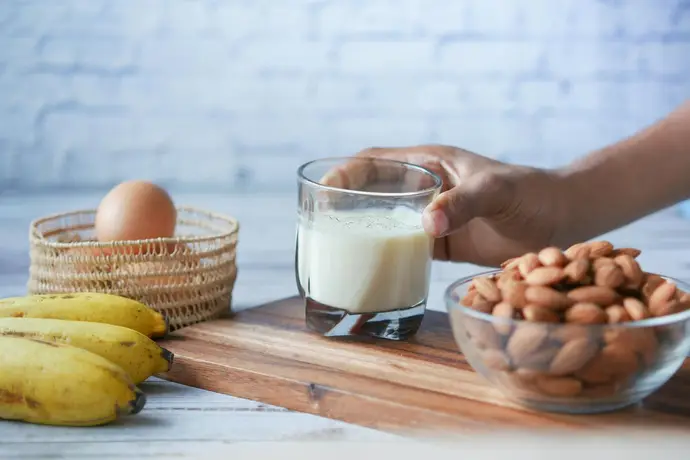
Food should usually come first. Dairy foods, fortified plant milks, canned salmon or sardines with bones, calcium-set tofu, cooked greens, and fortified juices can all contribute. Food sources are easier to spread through the day, and they come with protein, magnesium, potassium, and other nutrients that matter for bone.
Supplements can help when food intake falls short. The main forms are calcium carbonate and calcium citrate. Calcium carbonate is often cheaper and works best with meals. Calcium citrate can be taken with or without food and may be easier for some people with lower stomach acid. Many people absorb calcium better in smaller doses, often 500 mg or less at a time, rather than one large dose.
Too much supplemental calcium can create problems, especially for people with kidney stone history, kidney disease, or certain heart risk concerns. That is why total daily intake matters. Count food plus supplements, not just the pill bottle.
Why Vitamin D Matters for Osteoporosis
Vitamin D helps the intestine absorb calcium. Without enough vitamin D, you can eat calcium-rich foods and still fail to use calcium efficiently. Low vitamin D can also contribute to muscle weakness in some people, which matters because falls are a major fracture risk.
Your body can make vitamin D when skin is exposed to sunlight, but age, season, sunscreen use, darker skin tone, clothing coverage, latitude, and indoor routines all change how much you make. Food sources include fatty fish, egg yolks, liver, and fortified foods, but diet alone may not be enough for everyone.
A blood test called 25-hydroxyvitamin D is commonly used to check vitamin D status. If your level is low, your clinician may suggest a temporary repletion dose and then a maintenance dose. That is different from guessing with high-dose vitamin D indefinitely. Vitamin D is fat-soluble, and excessive intake can raise calcium too high, which can damage kidneys and cause other symptoms.
If you are already reading about signs of low bone density, vitamin D status is worth discussing with your doctor. It is one of the simpler risk factors to check.
How Much Should You Take?
Start by estimating your usual food intake. If you already get close to your calcium target from food, you may only need a small supplement or none at all. If you rarely eat calcium-rich foods, a supplement may help close the gap.
For vitamin D, the best dose depends on your blood level, age, health history, and medications. Some people do fine with a standard daily dose. Others need more for a defined period. People with malabsorption issues, bariatric surgery history, liver disease, kidney disease, or medications that affect vitamin D metabolism need more individualized guidance.
A common mistake is treating vitamin D and calcium like a shortcut. They are not. They support the materials side of bone health, but bone responds strongly to mechanical stress. Walking helps, but resistance training, stair climbing, loaded carries, and balance work often matter more than people expect. If you have osteoporosis or prior fractures, get professional guidance before starting high-impact exercise.
Need More Than a Supplement List?
The Bone Density Solution focuses on the daily routine side of bone support, including food choices and lifestyle steps that fit around a real schedule.
Affiliate link. We may earn a commission at no extra cost to you.
What Vitamin D and Calcium Cannot Do Alone
Vitamin D and calcium do not rebuild severe bone loss overnight. They also do not replace osteoporosis medication when fracture risk is high. If your DEXA scan shows osteoporosis, or if you have already had a fragility fracture, ask your clinician about your full fracture risk rather than focusing only on supplements.
Medication is a separate decision, but it should be weighed with real numbers: T-score, age, fracture history, family history, steroid exposure, fall risk, and sometimes FRAX score. Supplements may be part of that plan. They are rarely the whole plan.
Another point that gets missed: protein matters. Bone is not just minerals. It has a collagen matrix, and low protein intake can work against strength, muscle maintenance, and fall prevention. This is especially relevant for older adults who eat lightly or avoid many protein foods.
Other nutrients may matter too, including magnesium, vitamin K, and phosphorus, but adding more bottles is not always the answer. If you want to compare related options, read our guide to the best supplements for bone density and our plain-English breakdown of vitamin K2 for osteoporosis.
Food First: A Simple Bone-Support Day
A realistic day might include Greek yogurt or fortified oatmeal at breakfast, a lunch with salmon or tofu, a snack with fortified milk or kefir, and dinner with beans, greens, and a protein source. That kind of pattern can get you closer to your calcium target without relying on a large supplement.
For vitamin D, food may be less predictable. Fatty fish helps, and fortified foods can contribute, but a blood test gives a clearer answer. If your level is low, supplementation can be one of the more efficient fixes. Just keep the dose grounded in your actual status.
People often ask whether osteoporosis is the same as osteopenia. It is not. Osteopenia means bone density is lower than normal but not low enough to meet the osteoporosis threshold. The distinction matters because treatment urgency can differ. Our osteopenia vs osteoporosis guide explains the difference.
Safety Notes Before You Supplement
Talk to a clinician before taking calcium or vitamin D if you have kidney disease, a history of kidney stones, high blood calcium, sarcoidosis, hyperparathyroidism, or you take medications such as thiazide diuretics, digoxin, steroids, seizure medications, or certain weight-loss drugs. These details can change the right dose or the right form.
Also separate calcium from certain medications when needed. Calcium can interfere with absorption of thyroid medication, some antibiotics, bisphosphonates, and iron. Timing can solve this, but the timing has to be intentional.
For most people, the goal is boring but effective: enough calcium, enough vitamin D, enough protein, regular strength work, fall prevention, and medical care when fracture risk is high. That is the plan that tends to hold up.
Bottom Line on Vitamin D and Calcium for Osteoporosis
Vitamin D and calcium for osteoporosis are worth taking seriously because they support the raw materials your bones need. They are most useful when they correct low intake or low vitamin D status. They are least useful when they become a substitute for exercise, protein, fall prevention, DEXA follow-up, or medication when a doctor says fracture risk is high.
Get your intake into the right range. Test vitamin D if you are unsure. Avoid high-dose guessing. Then build the rest of the plan around habits you can actually repeat.
Build a Daily Bone Support Routine
The Bone Density Solution may be useful if you want a guided program instead of scattered tips about calcium, vitamin D, meals, and lifestyle changes.
Visit The Bone Density Solution
Affiliate link. We may earn a commission at no extra cost to you.