top of page
Search

Is Your Gut Causing Dry Skin?

  • Writer: Johnathan Philips
    Johnathan Philips
  • Jul 9, 2025
  • 10 min read
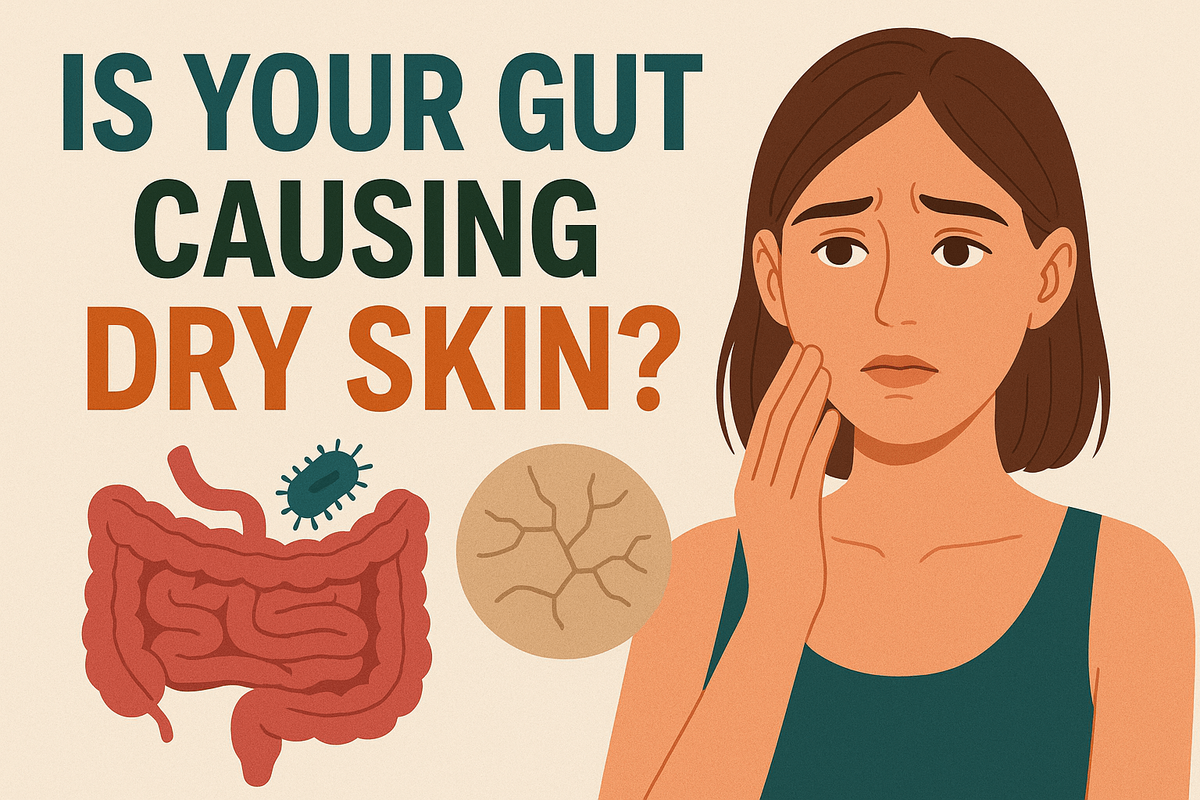
Illustration of a woman with dry skin on her face, alongside visuals of intestines, bacteria, and a cracked skin symbol, with the bold headline “Is Your Gut Causing Dry Skin?” displayed across the top.

While most people attribute dry skin to environmental factors, harsh skincare products, or genetics, mounting research reveals that persistent dryness often originates from digestive dysfunction that impairs your skin's ability to maintain proper hydration and barrier function. If your dry skin persists despite using moisturizers and avoiding environmental triggers, the solution may lie in healing your gut rather than applying more topical treatments.


Understanding the gut-dry skin connection offers new hope for individuals whose skin remains uncomfortably dry despite conventional treatments. This often-overlooked relationship explains why some people achieve dramatic skin improvements by addressing digestive health rather than focusing solely on external skin care routines.


For those seeking comprehensive solutions that address both digestive health and skin hydration from within, explore evidence-based approaches designed to restore gut function while improving skin moisture and barrier health.


The Hidden Connection Between Gut Health and Skin Hydration

Your digestive system directly influences skin hydration through multiple pathways including nutrient absorption, inflammatory regulation, and the production of compounds essential for skin barrier function. When gut health becomes compromised, these pathways malfunction, creating conditions that manifest as persistent dry skin.


Research published in Nutrients demonstrates that individuals with compromised gut barrier function show significantly impaired skin hydration markers and reduced ceramide production—lipids essential for maintaining skin moisture. The study found that gut healing interventions improved skin hydration by 34% over 12 weeks compared to topical treatments alone.


The gut-skin hydration axis operates through several mechanisms: absorption of hydration-supporting nutrients, production of skin barrier components, regulation of inflammatory processes that damage skin moisture barriers, and maintenance of optimal blood flow that delivers moisture to skin cells.


How Gut Problems Create Dry Skin

Impaired Nutrient Absorption

Gut dysfunction severely impacts absorption of nutrients essential for skin hydration including essential fatty acids, fat-soluble vitamins (A, D, E, K), zinc, and biotin. Without adequate levels of these nutrients, your skin cannot produce the lipids and proteins necessary for maintaining proper moisture levels.


Essential fatty acid deficiency, commonly resulting from poor fat digestion or absorption, directly causes dry, flaky skin by reducing the skin's ability to produce protective lipid barriers that prevent moisture loss.


Vitamin A deficiency impairs skin cell turnover and barrier function, leading to rough, dry skin that cannot retain moisture effectively. This deficiency often occurs despite adequate dietary intake when gut problems prevent proper absorption.


Compromised Ceramide Production

Gut bacteria produce compounds that support ceramide synthesis—lipids that form the primary moisture barrier in healthy skin. When beneficial bacteria populations decline due to gut imbalances, ceramide production decreases, resulting in compromised skin barrier function and increased moisture loss.


Ceramide deficiency creates a cycle where dry skin becomes increasingly unable to retain moisture, leading to progressively worsening dryness that doesn't respond well to topical moisturizers alone.


Chronic Low-Grade Inflammation

Gut dysfunction creates systemic inflammation that damages skin barrier function and impairs the cellular processes responsible for maintaining skin hydration. This inflammation disrupts normal skin lipid production while increasing moisture loss through compromised barrier integrity.


Inflammatory cytokines produced by an imbalanced gut directly affect skin cells, reducing their ability to produce natural moisturizing factors and maintain optimal hydration levels.


Specific Gut Conditions That Cause Dry Skin

Gut-Related Dry Skin Patterns

Gut Condition

Dry Skin Characteristics

Underlying Mechanisms

Recovery Timeline

Leaky Gut Syndrome

Widespread dryness, sensitivity

Compromised barrier function

8-16 weeks

SIBO

Patchy dryness, flaking

Nutrient malabsorption

6-12 weeks

Inflammatory Bowel Conditions

Severe dryness, scaling

Chronic inflammation

12-24 weeks

Dysbiosis

Gradual onset dryness

Reduced beneficial bacteria

6-16 weeks

Poor Fat Digestion

Extremely dry, rough skin

Essential fatty acid deficiency

4-12 weeks

Small Intestinal Bacterial Overgrowth (SIBO) and Dry Skin

SIBO significantly impairs absorption of fat-soluble vitamins and essential fatty acids crucial for skin hydration. The bacterial overgrowth creates malabsorption that specifically affects nutrients needed for skin barrier function and moisture retention.


Individuals with SIBO often experience severe dry skin that doesn't respond to topical treatments because the underlying nutrient deficiencies prevent proper skin barrier repair and maintenance.


The inflammatory compounds produced by SIBO bacteria also directly damage skin barrier function, creating a combination of nutrient deficiency and inflammatory damage that manifests as persistent, severe dry skin.


Digestive Enzyme Deficiency

Inadequate digestive enzyme production impairs breakdown and absorption of nutrients essential for skin hydration. Lipase deficiency particularly affects fat-soluble vitamin absorption, while protease deficiency impacts amino acid availability for skin protein synthesis.


This enzymatic dysfunction creates nutrient deficiencies that manifest as dry, flaky skin that may worsen over time as deficiencies accumulate and skin barrier function progressively deteriorates.

Clock, probiotic jar, and moon icons with text: "When Should You Take Probiotics for Skin Benefits? Morning, Before Meals, Night."

Identifying Gut-Related Dry Skin

Diagnostic Indicators

Gut-related dry skin typically presents with specific characteristics that distinguish it from environmentally-caused dryness. These include skin dryness that persists despite consistent moisturizer use, correlates with digestive symptoms, worsens during periods of digestive stress, and doesn't respond proportionally to environmental humidity changes.


The dryness often appears in patterns that don't match typical environmental exposure, affects areas that are usually protected from environmental factors, and may be accompanied by other skin issues like sensitivity, slow healing, or unusual texture changes.


Associated Digestive Symptoms

Gut-related dry skin rarely occurs in isolation. Common accompanying digestive symptoms include bloating, irregular bowel movements, food sensitivities, fatty food intolerance, and digestive discomfort that correlates with skin dryness severity.


Nutrient deficiency symptoms may also appear alongside skin dryness, including fatigue, poor wound healing, brittle nails, hair changes, and other signs of malabsorption that suggest underlying digestive dysfunction.


Hydration Insight: Addressing gut health often provides more dramatic and lasting dry skin improvements than topical treatments alone because it restores the internal processes that naturally maintain skin hydration. Discover comprehensive approaches that support both digestive healing and skin moisture restoration.

The Role of Gut Bacteria in Skin Hydration

Beneficial Bacteria and Moisture Production

Specific gut bacteria strains produce compounds that directly support skin hydration including hyaluronic acid precursors, ceramide-supporting metabolites, and anti-inflammatory substances that protect skin barrier function.


Lactobacillus and Bifidobacterium species, in particular, produce short-chain fatty acids that support skin barrier integrity while reducing inflammation that can compromise moisture retention mechanisms.


When these beneficial bacteria populations decline due to antibiotic use, poor diet, stress, or other factors, skin hydration often suffers as the bacterial support systems for moisture maintenance become inadequate.


Bacterial Diversity and Skin Health

Research from Microbiome shows that individuals with higher gut bacteria diversity maintain better skin hydration and barrier function compared to those with limited bacterial populations.

Bacterial diversity supports multiple pathways for skin hydration including vitamin synthesis, anti-inflammatory compound production, and maintenance of optimal gut barrier function that prevents systemic inflammation from damaging skin moisture barriers.


Gut Healing Protocol for Dry Skin

Phase 1: Digestive Restoration (Weeks 1-4)

Focus on healing gut barrier function through targeted nutrition and supplementation that addresses underlying digestive dysfunction. Eliminate foods that promote inflammation and gut permeability while emphasizing gut-healing nutrients.


L-glutamine, zinc carnosine, and omega-3 fatty acids provide specific support for intestinal barrier repair while directly benefiting skin barrier function through shared biological pathways.


Digestive enzyme supplementation helps ensure proper nutrient breakdown and absorption, particularly important for fat-soluble vitamins and essential fatty acids crucial for skin hydration.


Phase 2: Bacterial Rebalancing (Weeks 4-12)

Introduce targeted probiotics that specifically support skin hydration through beneficial metabolite production. Multi-strain formulations containing Lactobacillus rhamnosus, Bifidobacterium longum, and other strains studied for skin benefits provide optimal support.

Prebiotic foods and supplements feed beneficial bacteria while supporting their production of skin-hydrating compounds. Focus on diverse fiber sources that promote bacterial diversity associated with improved skin hydration.


Phase 3: Long-term Maintenance (Weeks 12+)

Establish sustainable nutrition and lifestyle practices that maintain optimal gut health while supporting continued skin hydration improvements. This includes consistent anti-inflammatory nutrition, stress management, and adequate hydration.


Monitor both digestive health and skin hydration to identify factors that may disrupt gut-skin balance and adjust protocols accordingly for sustained improvement.

For comprehensive guidance on gut healing for skin health, explore our detailed analysis of gut health supplements for clearer skin.


Nutritional Support for Gut-Driven Dry Skin

Essential Nutrients for Skin Hydration

Nutrient

Skin Hydration Role

Gut Absorption Factors

Deficiency Signs

Optimal Sources

Omega-3 fatty acids

Barrier lipid production

Requires healthy fat digestion

Extremely dry, flaky skin

Fish oil, flax, chia

Vitamin A

Cell turnover, barrier function

Fat-soluble, needs bile acids

Rough, scaling skin

Liver, sweet potato, leafy greens

Zinc

Wound healing, protein synthesis

Competes with other minerals

Slow healing, poor texture

Oysters, pumpkin seeds, meat

Biotin

Fatty acid synthesis

B-vitamin complex absorption

Dry, flaky dermatitis

Eggs, nuts, avocado

Vitamin D

Immune regulation, barrier function

Fat-soluble, seasonal variation

Dry, sensitive skin

Sunlight, fatty fish, supplements

Supporting Optimal Absorption

Focus on nutrition that supports both gut healing and nutrient absorption optimization. Bone broth provides amino acids for gut lining repair while supplying minerals essential for skin hydration in highly absorbable forms.


Healthy fats from sources like avocado, olive oil, and nuts support absorption of fat-soluble vitamins while providing essential fatty acids directly needed for skin barrier function and moisture retention.


Anti-inflammatory foods including colorful vegetables, berries, and herbs help reduce gut inflammation that can impair nutrient absorption and damage skin hydration mechanisms.


Expert Clinical Perspective

Jonathan Phillips, CNS, explains:

"Dry skin represents one of the most overlooked manifestations of gut dysfunction in my clinical practice. Clients often spend hundreds of dollars on moisturizers and skincare products without realizing their skin dryness stems from internal nutrient deficiencies and absorption problems.


What's particularly striking is how quickly skin hydration can improve once we address underlying gut issues. I've seen clients achieve better skin moisture in 6-8 weeks of targeted gut healing than they achieved with years of topical treatments.


The key insight is that persistent dry skin often signals deeper issues with nutrient absorption, bacterial balance, or gut barrier function that require internal healing rather than external moisturizing. When we restore optimal gut function, the skin's natural hydration mechanisms can function properly again."


Phillips emphasizes that gut-related dry skin often requires 3-6 months of consistent intervention but typically provides more lasting results than topical treatments alone.


Lifestyle Factors Affecting Gut-Skin Hydration

Hydration and Gut Function

Adequate water intake supports both gut health and skin hydration through multiple pathways. Proper hydration optimizes digestive enzyme function, supports nutrient transport, and maintains optimal blood flow that delivers moisture to skin cells.

However, drinking water alone cannot compensate for gut dysfunction that impairs the body's ability to utilize and retain moisture effectively. Gut healing remains essential for optimal hydration utilization.


Stress and Moisture Balance

Chronic stress significantly impacts both gut health and skin hydration through cortisol-mediated effects on digestion, nutrient absorption, and skin barrier function. Stress management becomes crucial for maintaining optimal gut-skin hydration balance.

Stress reduction techniques including meditation, regular exercise, and adequate sleep support both gut healing and skin moisture retention through improved hormonal balance and reduced inflammation.


For additional strategies on addressing gut-related skin issues, review our analysis of skin issues caused by gut imbalances.


Long-term Management and Prevention

Sustainable Gut Health Practices

Maintaining optimal gut health for skin hydration requires consistent attention to factors that support digestive function including diverse nutrition, stress management, adequate sleep, and avoidance of gut-disrupting medications when possible.


Regular monitoring of both digestive symptoms and skin hydration helps identify early signs of gut dysfunction before severe skin dryness develops, enabling proactive intervention.


Environmental and Internal Balance

While addressing gut health, continue appropriate external skin care that supports barrier function without disrupting the healing process. Gentle, fragrance-free moisturizers can provide temporary relief while internal healing progresses.


Understanding that optimal skin hydration requires both internal gut health and appropriate external care helps create comprehensive approaches that address all factors contributing to dry skin.


Transforming Dry Skin Through Gut Health

The connection between gut health and skin hydration offers new hope for individuals whose dry skin has resisted conventional treatments. By addressing the underlying digestive dysfunction that impairs nutrient absorption and skin barrier function, many people achieve dramatic improvements in skin moisture and texture.


This approach requires patience as gut healing typically takes longer than topical treatments, but the results often exceed expectations while providing broader health benefits that extend far beyond skin improvements.


Remember that persistent dry skin often signals deeper health imbalances that benefit from comprehensive gut healing approaches rather than symptomatic treatments that only address surface manifestations.


As detailed in our natural health guide, optimal skin hydration emerges from addressing foundational aspects of health including digestive function and nutrient absorption.

For those ready to address dry skin through comprehensive gut health optimization, explore targeted solutions designed to restore digestive function while improving skin hydration and barrier health. Your most hydrated skin may depend on healing your gut from within.


For additional insights into gut-skin health optimization, review our comprehensive analysis of gut health solutions for detailed guidance on achieving lasting skin hydration through digestive wellness.


Frequently Asked Questions

Q: Can poor gut health really cause dry skin? A: Yes, gut dysfunction impairs absorption of nutrients essential for skin hydration and compromises production of compounds needed for healthy skin barrier function.

Q: How do I know if my dry skin is caused by gut problems? A: Gut-related dry skin typically persists despite moisturizers, correlates with digestive symptoms, and doesn't respond proportionally to environmental factors.

Q: What gut problems commonly cause dry skin? A: SIBO, leaky gut syndrome, digestive enzyme deficiency, and gut bacteria imbalances frequently contribute to persistent dry skin through various mechanisms.

Q: How long does it take to improve dry skin by healing the gut? A: Initial improvements often appear within 4-6 weeks, with significant skin hydration improvements typically occurring over 8-16 weeks of consistent gut healing.

Q: What nutrients are most important for gut-related dry skin? A: Essential fatty acids, fat-soluble vitamins (A, D, E, K), zinc, and biotin are crucial for skin hydration and often poorly absorbed with gut dysfunction.

Q: Can probiotics help with dry skin? A: Yes, specific probiotic strains support skin hydration by producing beneficial metabolites and reducing inflammation that can compromise skin barrier function.

Q: Should I stop using moisturizers while healing my gut? A: No, continue gentle external skin care for comfort while addressing internal causes. Gut healing and appropriate topical care work synergistically.

Q: What foods should I eat for gut health and skin hydration? A: Focus on omega-3 rich foods, colorful vegetables, bone broth, and healthy fats while avoiding processed foods and inflammatory triggers.

Q: Can digestive enzymes help with dry skin? A: Yes, digestive enzymes can improve absorption of skin-essential nutrients, particularly fat-soluble vitamins and essential fatty acids crucial for hydration.

Q: Is there a connection between constipation and dry skin? A: Yes, constipation can indicate gut dysfunction that impairs nutrient absorption and increases toxic burden, both of which can contribute to dry skin.

Q: Can stress cause both gut problems and dry skin? A: Absolutely. Chronic stress disrupts gut function while directly impairing skin barrier function, creating conditions that promote both digestive and skin problems.

Q: How do I test for gut problems causing dry skin? A: Comprehensive stool analysis, nutrient testing, and food sensitivity panels can help identify gut dysfunction, though therapeutic trials often provide valuable insights.

Q: Can gut-related dry skin affect my entire body? A: Yes, systemic nutrient deficiencies and inflammation from gut dysfunction can cause widespread dry skin rather than localized dryness.

Q: What's the difference between environmental and gut-caused dry skin? A: Environmental dry skin typically responds to moisturizers and correlates with weather, while gut-related dryness persists despite external treatments.

Q: Can healing my gut prevent future dry skin problems? A: Yes, maintaining optimal gut health through proper nutrition and lifestyle practices supports long-term skin hydration and barrier function.


About The Author: Jonathan Philips is a certified nutritionist and wellness expert with over a decade of experience helping individuals achieve vibrant health through natural strategies.

He is passionate about simplifying complex science into actionable advice that empowers people to take charge of their well-being.

When he’s not researching cutting-edge wellness breakthroughs, Jonathan enjoys hiking, exploring new healthy recipes, and promoting a balanced, holistic lifestyle.


Some of the links on this site are affiliate links, which means we may earn a commission if you click through and make a purchase—at no additional cost to you. None of the information in this blog is medical advice. It is simply for educational purposes only.


Comments


Commenting on this post isn't available anymore. Contact the site owner for more info.
bottom of page