
Disclosure: This article contains affiliate links. If you buy through a link, we may earn a commission at no extra cost to you.
If you are trying to figure out how to relieve eye strain headache, start with the basics: rest your focusing muscles, soften glare, blink more often, and check whether your glasses or contacts still match your eyes. Eye strain headache usually builds after screen work, reading, driving, or bright light exposure. It can feel like pressure around the eyes, forehead tightness, sore temples, dry eyes, blurry vision, or a dull ache that gets worse the longer you push through.
The good news: most screen-related eye strain improves with small changes. The less good news: recurring headaches can also point to uncorrected vision, dry eye, migraine, sinus pressure, or another issue that deserves an exam. Use the steps below as a practical first pass, then get checked if the pattern keeps coming back.
How to Relieve Eye Strain Headache Fast
The fastest fix is to stop asking your eyes to hold one focus point for too long. Look away from the screen, close your eyes for a minute, and relax your jaw and shoulders. Then take a short walk, even if it is only across the room. Your eyes, neck, and upper back often complain together.
Get Weekly Health Tips
Join thousands getting evidence-based wellness insights delivered free every week.
🔒 No spam. Unsubscribe anytime.
Try the 20-20-20 rule for the next hour: every 20 minutes, look at something about 20 feet away for 20 seconds. The exact distance is less important than changing focus. Pick a tree, a building across the street, or the far wall. Let your eyes settle instead of scanning another device.
Next, drink water and blink on purpose. People blink less during screen work, which can dry the tear film and make the eyes feel gritty or tired. If your eyes feel dry, preservative-free artificial tears may help. Avoid redness-removing drops unless your eye doctor told you to use them, since they can backfire when overused.
For quick symptom relief, dim a bright screen, raise text size, and move the screen slightly farther away. If the headache is paired with severe eye pain, sudden vision loss, halos around lights, vomiting, weakness, confusion, or the worst headache of your life, skip the home fixes and seek urgent medical care.
Support Your Daily Vision Routine
If eye comfort is becoming a daily focus, Vision Breakthrough is one option readers look at alongside screen breaks, better lighting, and regular eye exams.
Affiliate link: we may earn a commission at no extra cost to you.
Fix the Screen Setup That Triggers Eye Strain
Bad screen setup is one of the most common reasons eye strain headaches keep returning. Start with distance. Your monitor should usually sit about an arm's length away, with the top of the screen at or just below eye level. If you look up all day, your eyes open wider and dry out faster. If you hunch forward, your neck and temples may join the headache.
Text size matters more than most people admit. If you are squinting, leaning in, or lifting your chin to read, increase the font size. You should be able to read with your face relaxed. A slightly larger font is better than eight hours of facial tension.
Glare is the next target. Light from a window behind you can bounce off the screen, while light from behind the monitor can shine straight into your eyes. Turn the desk, close the shade, or use a side lamp instead of overhead glare. Matte screen filters can help some people, but they are not magic. The goal is simple: the screen should not be the brightest or most reflective thing in the room.
Match screen brightness to the room. A phone at full brightness in a dark bedroom is rough on the eyes. A dim laptop in a bright office makes you strain. If you work late, use warmer color settings, but do not expect blue-light mode alone to solve eye strain. Comfort depends on distance, glare, font size, breaks, and blinking too.
If you already get screen headaches, read our guide to digital eye strain symptoms so you can spot the pattern earlier. If morning blur is part of the picture, this breakdown of what causes blurry vision in the morning may help you separate dryness from other causes.
How to Relieve Eye Strain Headache With Better Breaks
Breaks work best when they are real breaks. Scrolling on your phone after laptop work keeps your eyes locked at near distance. A better reset is looking outside, walking, stretching your neck, or doing a task that does not involve a screen.
Use natural pauses. After every call, every finished email batch, or every 30 to 45 minutes of focused work, look away before opening the next tab. This is easier than relying on willpower. Your calendar and tasks already create breaks. Attach eye rest to those moments.
Try a simple two-minute reset: look far away, roll your shoulders, unclench your jaw, blink slowly ten times, then return to work with the screen a little farther back. If you wear contacts, consider switching to glasses for a few hours when dryness is bad. Contacts can make screen dryness worse for some people.
Do not press hard on your eyes. A warm compress over closed lids can feel good if your eyes are dry or tired, but pressure is not the goal. Gentle warmth for 5 to 10 minutes may help the oil glands along the eyelids work better, which can support a steadier tear film.
Pair Eye Habits With Nutrition Support
Screen breaks do the heavy lifting. For readers who also want a vision-focused supplement path, Vision Breakthrough is the product matched to this topic in our affiliate database.
Affiliate link: we may earn a commission at no extra cost to you.
Check Your Eyes, Glasses, and Contacts
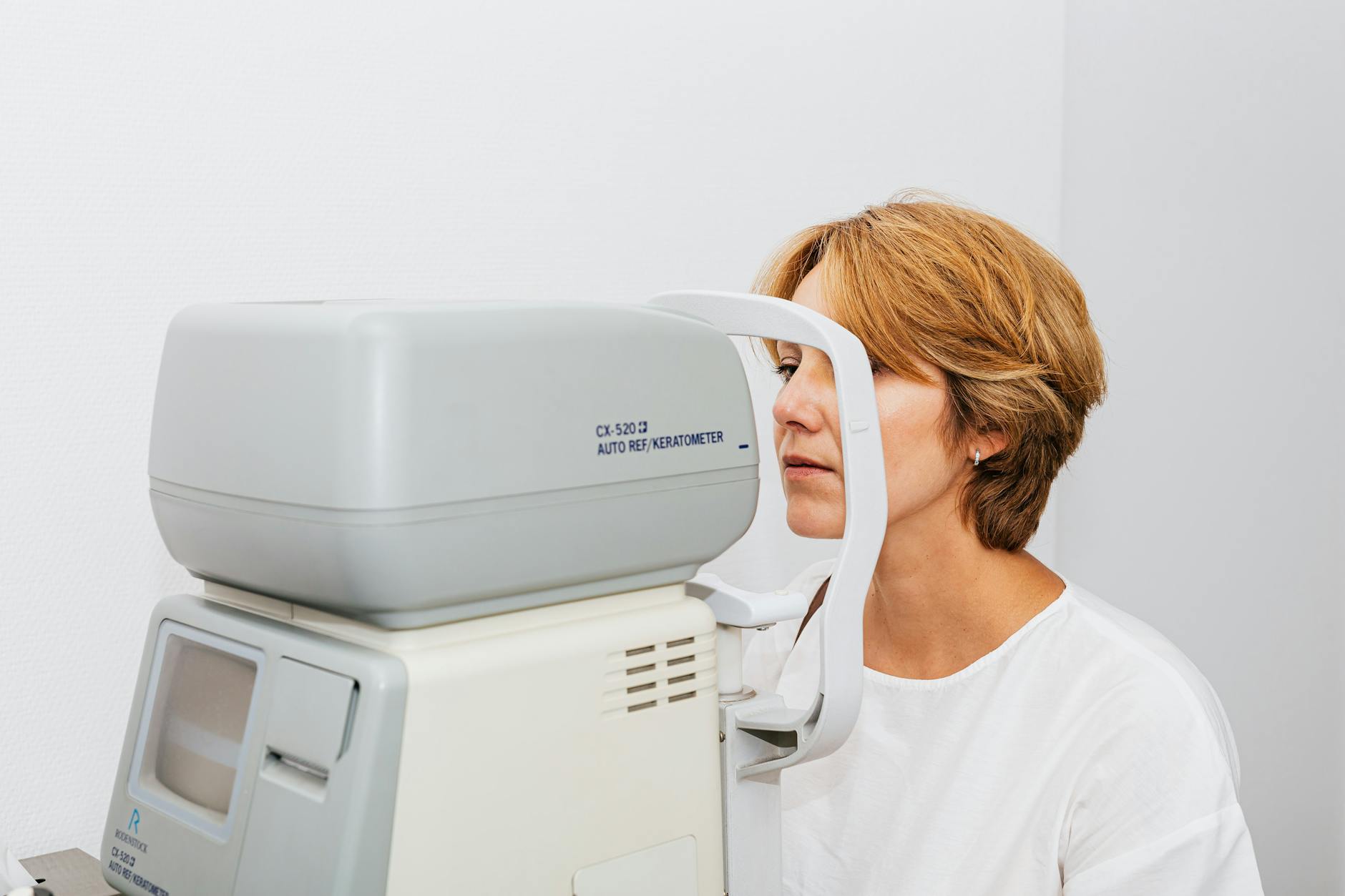
If you keep searching for how to relieve eye strain headache, your prescription may be part of the problem. Even a small mismatch can make your focusing muscles work harder, especially with laptop distance and small text. This is common if you have not had an eye exam in a while, changed jobs, started using a second monitor, or moved into more close-up work.
Tell the eye doctor when the headache starts, what screen you use, how far away it sits, and whether symptoms improve on weekends. Bring your glasses or contact lens details. Some people need a computer-specific prescription, especially if progressive lenses make them tilt their head to find the right viewing zone.
Dry eye should be checked too. Dryness can feel like burning, watering, sandy eyes, light sensitivity, or blurred vision that clears after blinking. It can be worse with air conditioning, fans, contact lenses, certain medications, and long screen sessions. You may need better tear support, eyelid care, or a change in contact lens routine.
Eye strain can also overlap with other headache types. Migraine can cause light sensitivity, nausea, one-sided pain, visual aura, or throbbing. Sinus pressure can cause facial pain and congestion. Neck tension can refer pain to the forehead and temples. If symptoms do not fit a simple screen pattern, get a medical opinion rather than guessing.
For related vision topics, see eye strain headache treatment and vitamins for night blindness. Both can help you think through when lifestyle steps are enough and when an exam makes more sense.
Build an Eye-Friendly Workday
The best fix is the one you can repeat tomorrow. Set your screen at arm's length. Use readable text. Keep glare low. Blink more during deep work. Take focus breaks before symptoms peak. None of this is flashy, but it works because it removes the small stressors that pile up over hours.
Lighting deserves a final note. People often work in rooms that are either too dim or too harsh. Aim for even, comfortable light. If your eyes relax when you move to another room, your setup is telling you something. Adjust the room before blaming your eyes.
Sleep matters too. Tired eyes strain faster, and poor sleep can make headaches easier to trigger. If you wake up tired, start the workday dehydrated, then stare at a bright screen for four hours, eye strain has an easy opening. A basic morning routine with water, light exposure, and a few screen-free minutes can reduce that first wave of tension.
Finally, be honest about recurrence. A one-off headache after a brutal workday is different from headaches three times a week. Frequent symptoms deserve an eye exam and, if needed, a medical check. Home changes should help within days. If they do not, there is likely more to solve.
When to Get Help for Eye Strain Headache
Make an eye appointment if headaches show up after reading or screen work, if you squint often, if vision blurs during the day, if dry eye symptoms keep returning, or if your glasses feel off. Get medical care sooner if headaches are new, severe, increasing, or paired with neurological symptoms, eye redness, eye pain, fever, injury, or sudden vision changes.
For most people, the answer to how to relieve eye strain headache is a mix of smarter screen habits and a current eye check. Rest helps. Better lighting helps. A correct prescription helps a lot. Start there, and do not keep forcing your way through pain as if it is just part of modern work.
A Simple Next Step for Vision Support
If you are already improving your screen setup and want to compare vision support options, review Vision Breakthrough through the official affiliate link below.
Affiliate link: we may earn a commission at no extra cost to you.
Research Sources
- American Academy of Ophthalmology: Computer use and eye strain guidance
- American Optometric Association: Computer vision syndrome
- National Eye Institute: Keep your eyes healthy
This article is for education only and is not a substitute for professional medical advice, diagnosis, or treatment. Talk with a qualified clinician about personal symptoms or before starting any supplement.