
Disclosure: This article contains affiliate links. If you buy through one of these links, we may earn a commission at no extra cost to you.
Dry eyes worse at night is a real pattern, not something you are imagining. The day stacks up: screen time, air movement, contact lenses, lower blink rate, makeup, allergies, and certain medicines can all leave the tear film unstable by bedtime. For many people, the eyes do not feel terrible at lunch. They feel gritty, hot, watery, or tired once the lights are low and the body finally slows down.
The useful question is not just why it happens. It is what you can change tonight without ignoring signs that need an eye exam. Dry eye can be simple irritation, but it can also point to eyelid inflammation, meibomian gland problems, autoimmune disease, medication side effects, or contact lens overuse. Start with the low-risk fixes, then get checked if symptoms keep coming back.
Why Are Dry Eyes Worse at Night?
Dry eye usually comes down to tear quantity, tear quality, or both. Your tears are not just water. They include oil, water, and mucus layers that work together to keep the eye surface smooth. When the oily layer is weak, tears evaporate too fast. When tear production is low, the surface dries out even with normal blinking. By night, the damage from the day can finally become obvious.
Get Weekly Health Tips
Join thousands getting evidence-based wellness insights delivered free every week.
🔒 No spam. Unsubscribe anytime.
One common reason is reduced blinking during screen use. People blink less often when reading, driving, gaming, or staring at a laptop. The blink also tends to become incomplete, so the upper and lower lids do not fully spread the tear film. That leaves tiny exposed areas on the eye surface. After hours of this, the eyes can feel scratchy or heavy.
Bedroom conditions can make it worse. A ceiling fan, heater, air conditioner, or dry winter air can pull moisture from the tear film. Sleeping near a vent is a classic setup. So is reading in bed with a phone held close to the face for 30 minutes after an already screen-heavy day.
Want a vision-focused daily support option?
Vision Breakthrough is a ClickBank eye health offer people often compare while building a broader vision support routine.
Affiliate link: we may earn a commission at no extra cost to you.
Dry Eyes Worse at Night: Common Causes to Check
The biggest causes are usually ordinary, which is good news. Screen use, dry air, allergies, smoke exposure, and contact lenses are all fixable. But dry eye can also be tied to age, hormonal changes, eyelid conditions, rosacea, autoimmune disease, diabetes, thyroid disease, and medicines such as antihistamines, some antidepressants, acne medicines, diuretics, and certain blood pressure drugs.
If your eyes burn at night but also water, that still can be dry eye. Reflex tearing happens when the surface is irritated. The eye sends out watery tears, but they may not have enough oil to stay on the surface. That is why someone can say, "My eyes are dry," while wiping tears from the corners.
Contact lenses deserve special attention. Lenses sit on the tear film all day, and many people stretch wear time too long. If symptoms show up after dinner, try switching to glasses earlier in the evening for a week. If the difference is obvious, the lens type, fit, solution, or wearing schedule may need an update.
There is also the eyelid angle. Meibomian glands along the lids release oil into tears. When those glands clog, tears evaporate fast. This often comes with crusting, red lid margins, a stinging feeling, or blurry vision that clears after blinking. Warm compresses can help some people, but recurring lid inflammation should be checked by an eye care professional.
Screen Habits That Make Night Dryness Worse
Screen-related dryness is not only about blue light. The bigger issue is blink behavior. When you focus hard, you blink less and blink less completely. Your eyes stay open longer between blinks, so tears evaporate. Then you rub your eyes, which can add more irritation.
A simple reset helps: every 20 minutes, look at something across the room and blink slowly several times. The common 20-20-20 rule is a decent reminder, but the blinking part matters. Set the monitor slightly below eye level so your lids cover more of the eye surface. Raise text size instead of leaning forward. Keep the room lit enough that you are not squinting at a bright rectangle in a dark room.
If you read on your phone at night, switch to a larger font, hold it farther away, and stop before your eyes already feel raw. A phone held close in bed encourages a wide-eyed stare. That can be the final push that makes dry eye flare right before sleep.
For more screen-specific clues, read our guide to digital eye strain symptoms. If dry eye comes with headaches, this breakdown of eye strain headache treatment may help you separate eye surface irritation from focus and lighting problems.
Relief Steps to Try Tonight
Start with artificial tears. Preservative-free lubricating drops are usually the safest first option when you need them often. Avoid redness-removing drops unless your eye doctor tells you to use them, since they can make irritation worse over time. If drops help for only a few minutes, ask about gel drops or ointments for nighttime use. They can blur vision, so they are usually better right before bed.
Change the air around you. Turn the fan away from your face, move your pillow away from vents, and consider a clean humidifier if the room is dry. If you wake up with dry, sore eyes, ask an eye doctor whether your lids may not be closing fully during sleep. That needs a different plan than simple daytime dryness.
Clean eyelids gently if you have crusting or oily flakes at the lash line. A warm compress for several minutes can loosen thick oil in the glands. Keep it warm, not hot. Follow with gentle lid hygiene if your clinician has recommended it. Do not scrub aggressively. The goal is calmer lids, not irritated skin.
Building a full eye wellness routine?
After you handle the basics, you can review Vision Breakthrough and decide whether it fits your personal eye support plan.
Affiliate link: we may earn a commission at no extra cost to you.
When Dry Eyes Worse at Night Need an Eye Exam
Book an eye exam if symptoms last more than a couple of weeks, keep returning, affect vision, or force you to use drops many times a day. Also get checked if you have pain, light sensitivity, discharge, sudden vision changes, a new injury, or one red eye that feels much worse than the other. Those are not good self-treatment situations.
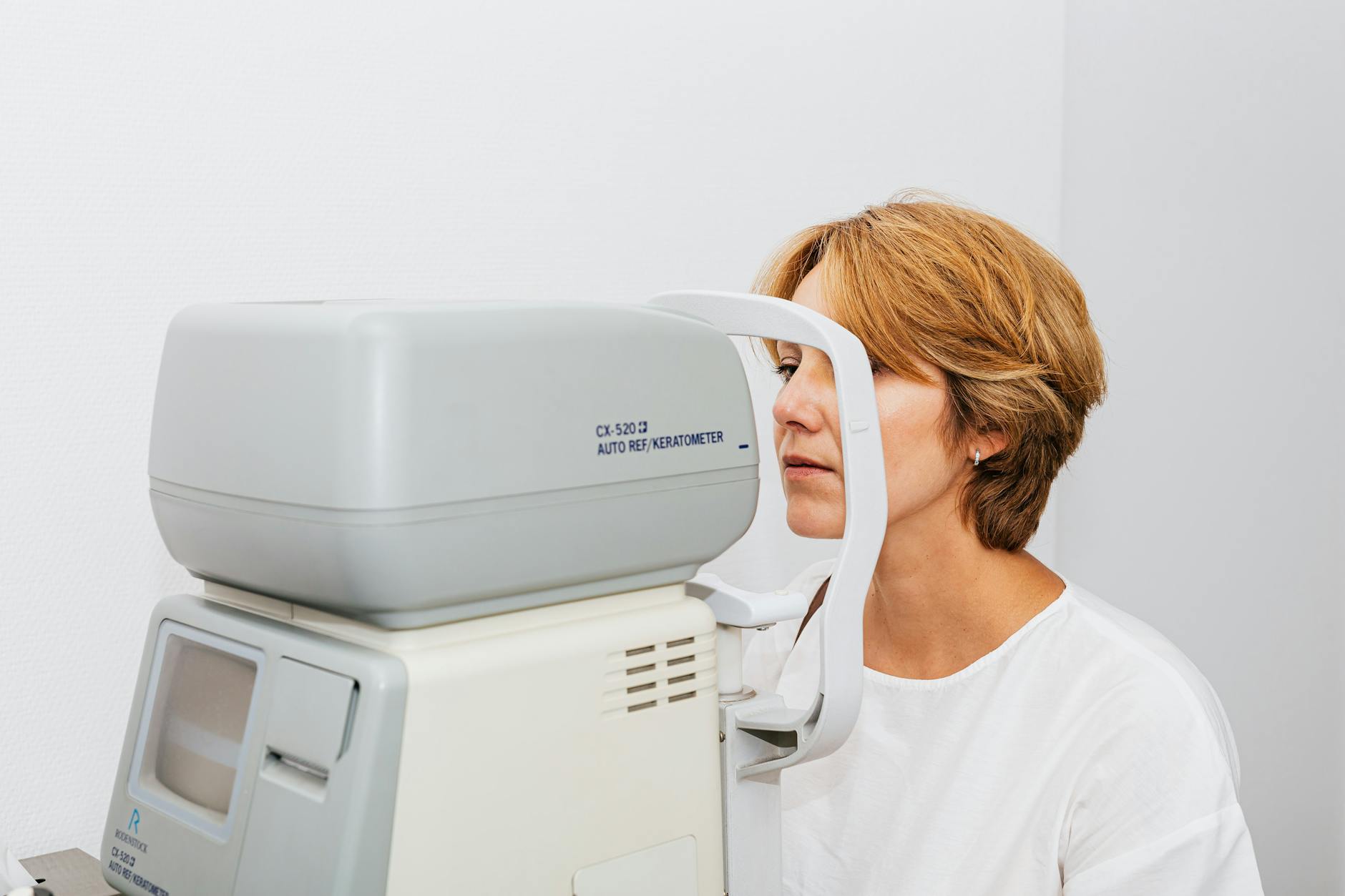
An eye doctor can look at the tear film, eyelids, glands, cornea, and contact lens fit. That matters because the best treatment depends on the cause. Some people need prescription anti-inflammatory drops. Some need lid treatment. Some need allergy care, contact lens changes, punctal plugs, or a medication review with their primary clinician.
Dry eye also overlaps with other vision complaints. If mornings are the roughest part of your day, this guide to what causes blurry vision in the morning is a useful companion. For broader natural support ideas, see dry eyes natural remedies.
A Practical Night Routine for Dry Eye Relief
Here is a simple routine to test for seven nights. Two hours before bed, switch from contacts to glasses if you wear contacts. One hour before bed, reduce screen brightness and increase text size. Thirty minutes before bed, stop close-up phone use if your eyes already feel irritated. Use preservative-free artificial tears as directed on the label. Move air away from your face. If your lids are crusty or your eye doctor has mentioned gland blockage, use a warm compress.
Track what changes. If your eyes feel better after changing airflow, the room was probably part of the problem. If they improve when you stop wearing contacts after dinner, lens wear is a likely trigger. If nothing changes, do not keep guessing for months. Chronic dry eye is treatable, but it is easier to manage when you know what kind you have.
Nutrition can support general eye health, but it should not replace medical care for persistent dry eye. Be careful with any product that promises to cure dry eye quickly. A supplement is only one possible piece of a bigger routine that should include blinking, air control, lid care, hydration, and proper eye exams.
Compare your next eye support step
Use the relief checklist below first. If you still want nutritional support, Vision Breakthrough is worth reviewing carefully.
Affiliate link: we may earn a commission at no extra cost to you.
Bottom Line
Dry eyes worse at night usually means your tear film has been stressed all day and your evening environment is exposing it. Screens, low blink rate, contact lenses, dry air, fan airflow, allergies, and eyelid gland issues are common triggers. Start with preservative-free artificial tears, better screen breaks, airflow changes, and contact lens timing. If symptoms persist, hurt, blur vision, or keep coming back, get an eye exam instead of trying to outguess it.
Research Sources
- American Academy of Ophthalmology: What Is Dry Eye?
- National Eye Institute: Dry Eye
- American Academy of Ophthalmology: Computer Use and Eye Strain
- NHS: Dry Eyes
Health disclaimer: This article is for education only and is not medical advice. Talk with a qualified eye care professional for diagnosis or treatment, especially if you have pain, light sensitivity, discharge, injury, or vision changes.