
Affiliate disclosure: This article contains affiliate links. If you buy through these links, Your Wealthy Healthy Life may earn a commission at no extra cost to you.
If you searched for how to cure constipation and bloating, the honest answer is this: you usually do not need a dramatic cleanse, but you do need to remove the bottleneck. Constipation traps stool and gas, which can make your abdomen feel tight, heavy, and uncomfortable. The right fix depends on what is slowing things down, how long it has been happening, and whether you have warning signs that need medical care.
For most healthy adults, the safest starting point is simple. Add soluble fiber slowly, drink enough fluid, move daily, stop ignoring the urge to go, and use short-term over-the-counter support when needed. That sounds basic because it is. It also works better than forcing aggressive laxatives or jumping from supplement to supplement without a plan.
How to Cure Constipation and Bloating Starts With the Cause
Constipation is usually defined as fewer than three bowel movements per week, hard stools, straining, or the feeling that you did not fully empty. Bloating is the swollen, stretched, gassy feeling that can come with it. They overlap because slow stool movement gives gas more time to build up.
Get Weekly Health Tips
Join thousands getting evidence-based wellness insights delivered free every week.
🔒 No spam. Unsubscribe anytime.
The most common triggers are low fiber intake, dehydration, low activity, travel, stress, routine changes, certain medications, and suddenly changing your diet. Iron supplements, some pain medicines, antacids with calcium or aluminum, and some antidepressants can also slow the gut. If this started after a new medication, do not stop it on your own. Ask your clinician or pharmacist if constipation is a known side effect.
The key is to avoid guessing. If you only treat gas but stool is backed up, the bloating usually keeps coming back. If you only add fiber but you are already very constipated and not drinking enough, you may feel worse for a few days. Sequence matters.
Support a More Comfortable Digestive Routine
BellyFlush is the best match in our ClickBank database for bloating, gut comfort, and weight-related digestive support. Use it as support, not as a replacement for medical care or basic diet changes.
Affiliate link. We may earn a commission at no extra cost to you.
The 24-Hour Reset: What to Do Today
Start with fluids. Water does not magically flush the colon, but dry, hard stool is harder to pass. A practical target is pale-yellow urine most of the day, unless your doctor has you on fluid restriction. Warm liquids may help some people feel the urge to go, especially in the morning.
Next, take a short walk after meals. Movement helps stimulate normal gut motion. It does not need to be intense. Ten to fifteen minutes after breakfast or dinner is enough to start. If you sit most of the day, this is one of the fastest habits to change.
Then use the bathroom when your body asks. Holding it repeatedly can train the rectum to tolerate more stool, which makes constipation harder to unwind. Give yourself a calm window after breakfast, sit with your feet on a small stool if possible, and breathe instead of straining.
Food matters too. Choose one fiber-rich add-on today, not five. Good options include oatmeal, chia seeds soaked in liquid, beans, lentils, berries, pears, prunes, vegetables, or ground flaxseed. If your diet has been low in fiber, increase slowly over several days. A sudden fiber jump can make bloating worse.
If you want more detail on motility, read our guide on how to improve gut motility naturally. If you are trying to understand the signs, our breakdown of slow gut motility symptoms is a useful next read.
How to Cure Constipation and Bloating With Fiber, Without Making Gas Worse
Fiber is the boring answer everyone skips, but it is still one of the most reliable tools. Soluble fiber holds water and can make stool easier to pass. Insoluble fiber adds bulk and can help movement. Most adults do not eat enough of either.
The mistake is going too fast. If you add a large bowl of beans, a fiber powder, raw vegetables, and bran cereal all in one day, your gut bacteria will have a party and you may feel inflated. Start with one change and stay there for three to four days. If you tolerate it, add more.
Psyllium can help some people because it is a soluble fiber with decent evidence for constipation. The practical rule is to take it with enough water and start with a small serving. If you have swallowing problems, bowel narrowing, severe pain, vomiting, or a history of obstruction, talk with a clinician before using bulk-forming fiber.
Prunes are another simple option. They contain fiber and sorbitol, a sugar alcohol that can pull water into the bowel. That can help, but it can also cause gas in sensitive people. Try a small amount first.
When a Laxative Makes Sense
There is no prize for suffering through constipation for a week if basic steps are not working. Over-the-counter laxatives can be useful when used correctly. Osmotic laxatives draw water into the bowel. Stool softeners may help in select cases, though they are often less reliable. Stimulant laxatives can work quickly, but they are usually better for short-term use unless a clinician tells you otherwise.
The safest move is to match the tool to the situation. If stools are hard and dry, hydration, fiber, and an osmotic option may make more sense than repeatedly using stimulant products. If you have not gone in several days and feel increasingly uncomfortable, ask a pharmacist or clinician what is appropriate for you, especially if you are pregnant, older, taking multiple medicines, or managing kidney, heart, or bowel disease.
Want Daily Digestive Support?
If your main issue is recurring bloating and sluggish digestion, BellyFlush may fit the routine you are already building with fiber, fluids, and movement.
Affiliate link. We may earn a commission at no extra cost to you.
Foods That Help, and Foods to Watch
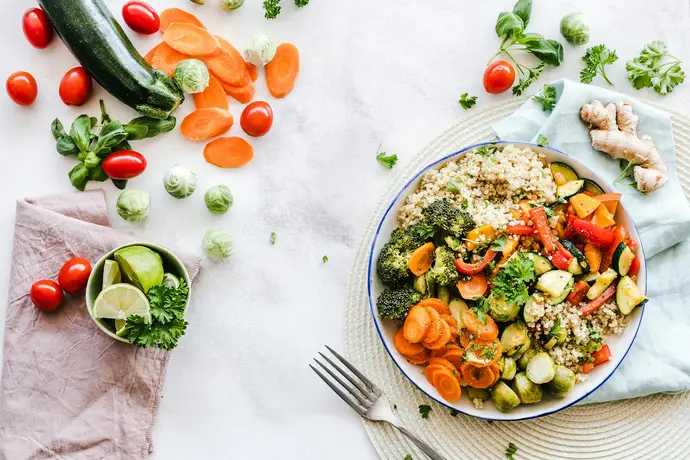
A constipation-friendly plate is not complicated. Build meals around plants you tolerate: oats, lentils, beans, cooked vegetables, fruit with skin, nuts, seeds, and whole grains. Add protein and healthy fat so meals are satisfying. Extremely low-fat diets can sometimes make stools harder to move for some people.
For bloating, pay attention to patterns. Carbonated drinks, large amounts of sugar alcohols, very salty meals, and suddenly eating more cruciferous vegetables can all increase gas or water retention. That does not make those foods bad. It means portion size and timing matter.
If bloating happens after nearly every meal, the cause may be different from simple constipation. It could involve lactose intolerance, irritable bowel syndrome, celiac disease, small intestinal bacterial overgrowth, or another digestive issue. Our article on why you may be bloated after every meal covers that pattern more directly.
Do not turn this into a punishment diet. Over-restricting often backfires because you eat less fiber, stress more, and become more reactive to normal digestion. Make one change at a time so you can tell what helped.
Probiotics, Enzymes, and Gut Supplements
Probiotics can help some people with bloating or bowel regularity, but they are not a guaranteed constipation cure. Strain, dose, and the reason for your symptoms all matter. Digestive enzymes are different. They help break down certain foods and may be useful when symptoms are tied to meals, but they do not directly fix slow stool movement.
If you are comparing the two, start with the symptom pattern. Constipation with hard stools usually needs fiber, fluids, movement, and sometimes laxative support. Meal-specific bloating may point more toward food tolerance or enzymes. You can read our guide to probiotics vs digestive enzymes if you are trying to decide which makes sense.
Supplements are easiest to judge when the basics are steady. If your sleep is poor, water intake is low, and fiber swings wildly from day to day, it is hard to know whether any product is helping. Give your routine a fair baseline first.
Red Flags: When Not to Treat This at Home
Most constipation and bloating is not an emergency. Still, some symptoms deserve prompt medical attention. Call a clinician if constipation is new and persistent, if you see blood in your stool, if you have unexplained weight loss, fever, vomiting, severe or worsening abdominal pain, anemia, or a major change in bowel habits. Also get checked if you cannot pass gas or stool and your abdomen is increasingly swollen or painful.
People with a history of bowel obstruction, inflammatory bowel disease, colon cancer, recent abdominal surgery, or severe constipation that keeps returning should not rely on internet advice. Get a proper evaluation. The goal is not to panic. The goal is to avoid missing the cases where bloating and constipation are signs of something bigger.
A Simple 7-Day Plan
Day one is fluids, a walk, and one fiber add-on. Day two is the same, plus a consistent bathroom window after breakfast. Day three is when you decide whether the fiber choice is helping or making gas worse. If it is helping, keep it. If not, switch to a gentler option like oatmeal, kiwi, or a smaller amount of psyllium with water.
By days four and five, look at your meal patterns. Are you skipping breakfast and eating one huge dinner? Are you using carbonated drinks to get through the day? Are you eating very little during work hours, then loading up late? Constipation often follows routine, not just food.
By days six and seven, decide whether you need short-term pharmacy support or a clinician. If you are improving, keep the routine boring and consistent. If you are not improving, or if symptoms are severe, get help instead of adding more random products.
Build the Routine, Then Add Support
BellyFlush is a reasonable fit if your focus is gut comfort and bloating support. Pair it with steady habits so you can actually tell what is working.
Affiliate link. We may earn a commission at no extra cost to you.
Bottom Line
The best answer for how to cure constipation and bloating is usually a stepwise plan, not a one-shot fix. Soften the stool, support normal gut movement, reduce gas triggers, and use over-the-counter help wisely when basic steps are not enough. If red flags show up, or if this keeps coming back despite consistent habits, get medical care. That is the smart move.