
Affiliate disclosure: This article contains affiliate links. If you buy through them, we may earn a commission at no extra cost to you.
Supplements to reduce cortisol and belly fat women ask about can help only when they support the basics: steadier blood sugar, better sleep, calmer evenings, and a realistic calorie deficit. Cortisol is not a villain. It is a normal stress hormone that helps you wake up, respond to pressure, and manage energy. The problem is living in a pattern that keeps stress high, sleep short, cravings intense, and movement low.
That is where the supplement conversation gets messy. No capsule can spot-reduce belly fat. No tea, gummy, or powder can force fat loss from the waist by lowering one hormone. Still, a few supplements may make the process easier for some women because they support the habits that drive body composition in the first place.
Supplements to Reduce Cortisol and Belly Fat Women Should Understand First
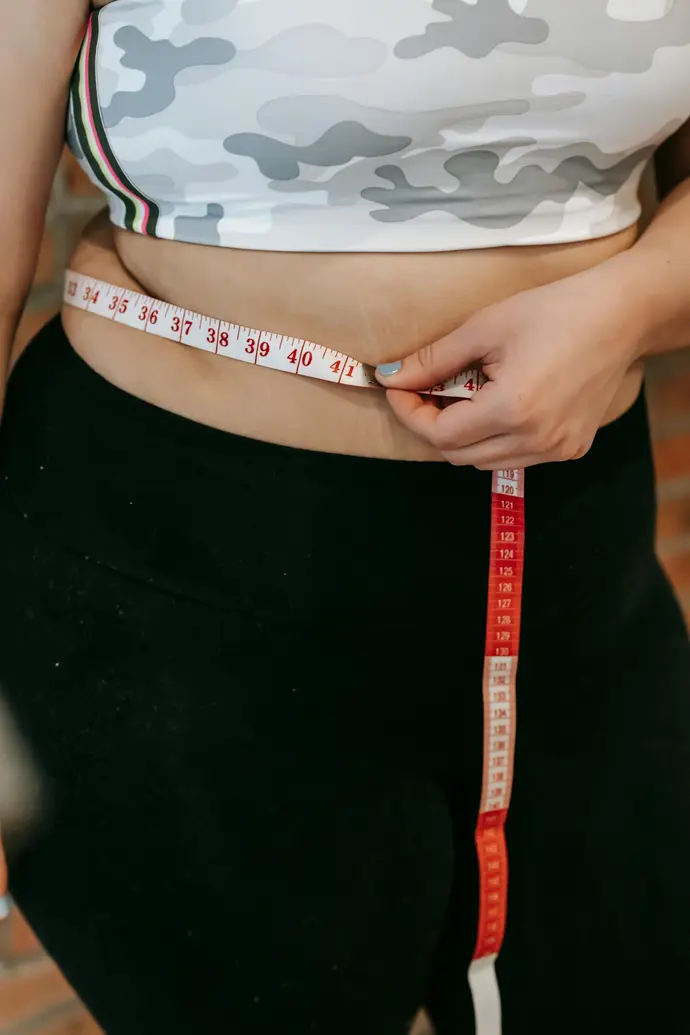
When people say "cortisol belly," they usually mean stubborn fat around the midsection that seems worse during stressful seasons. There is some logic behind the phrase. Cortisol affects appetite, blood sugar, sleep rhythm, and how the body responds to chronic stress. But belly fat is rarely caused by cortisol alone. Age, menopause, insulin resistance, alcohol, sleep loss, low protein intake, strength training habits, medications, thyroid issues, and overall calorie intake can all matter.
Get Weekly Health Tips
Join thousands getting evidence-based wellness insights delivered free every week.
🔒 No spam. Unsubscribe anytime.
The better question is not "Which supplement burns cortisol belly fat?" It is this: which supports help you eat, sleep, move, and recover well enough to lose fat without feeling wrecked?
If you are dealing with sudden weight gain, a new round belly, purple stretch marks, muscle weakness, easy bruising, or major cycle changes, talk with a clinician. Those are not supplement-shopping problems. They deserve medical evaluation.
Looking for a Women-Focused Weight Support Option?
Finessa is a ClickBank product in Tim's approved YWHL database for women interested in metabolism and weight support. Use it as a support tool, not a replacement for sleep, protein, and movement.
Affiliate link. We may earn a commission at no extra cost to you.
1. Magnesium for Sleep, Stress, and Cravings
Magnesium is one of the more reasonable places to start because many women do not get enough from food. It is involved in nerve function, muscle function, and normal energy metabolism. It also has a practical upside: some people sleep better when their magnesium intake improves, and better sleep can make appetite and cravings easier to manage.
This does not mean magnesium melts belly fat. It means magnesium may support the conditions that make fat loss less chaotic. If your evenings are tense, your sleep is broken, and your sugar cravings hit hardest at night, magnesium-rich foods and a modest supplement may be worth discussing with your doctor.
Common forms include magnesium glycinate, citrate, and malate. Glycinate is often chosen for nighttime because it tends to be gentler. Citrate can loosen stool, which may be helpful or annoying depending on the person. Avoid high doses unless your clinician recommends them, especially if you have kidney disease or take medications that interact with minerals.
For more context, YWHL has a related guide on how poor sleep can affect weight gain.
2. Protein Powder to Make a Calorie Deficit Easier
Protein is not a cortisol supplement, but it belongs in this conversation. Many women under-eat protein at breakfast and lunch, then fight cravings later. A protein powder can help close that gap without much friction.
Protein supports fullness and helps preserve lean muscle during weight loss. That matters because muscle is metabolically active tissue. If you lose weight by under-eating and skipping strength training, you can lose muscle along with fat, which often makes the next round of weight loss harder.
A simple target is 25 to 35 grams of protein at meals, adjusted for body size, goals, and medical needs. Whey, casein, egg white, pea, and soy protein can all work. The best choice is the one you tolerate, enjoy, and will actually use. Watch the label for added sugar, low protein per scoop, and giant proprietary blends that make the product look more impressive than it is.
Supplements to Reduce Cortisol and Belly Fat Women Can Pair With Fiber
Fiber is boring in the best way. It slows digestion, supports gut bacteria, helps fullness, and can make blood sugar swings less dramatic after meals. Those effects can matter when stress eating is part of the belly fat pattern.
Psyllium husk is the most practical supplement option for many people. It is inexpensive, easy to measure, and backed by more research than most trendy weight-loss powders. Start low, drink plenty of water, and increase slowly. Too much too fast can cause gas, bloating, or constipation.
Food still wins. Beans, lentils, oats, berries, chia, vegetables, and whole grains bring fiber plus minerals and polyphenols. If your current diet is low in fiber, do not jump from near zero to a huge dose overnight. Your gut will complain.
If digestion and bloating are part of the picture, read why bloating after meals happens before assuming the issue is only cortisol.
A Smarter Next Step Than Chasing Quick Fixes
If your goal is a women-focused weight support routine, review Finessa's current offer and compare it with your sleep, protein, fiber, and training plan.
Affiliate link. We may earn a commission at no extra cost to you.
3. Omega-3s for General Metabolic and Inflammatory Support
Omega-3 fatty acids from fish oil or algae oil are often discussed for heart health and inflammation. They are not direct belly fat burners. The more realistic argument is that omega-3s can support overall health while you work on the habits that move waist size over time.
If you eat fatty fish like salmon, sardines, trout, or mackerel twice a week, you may not need a supplement. If you do not eat fish, an omega-3 supplement can be useful. Look for products that clearly list EPA and DHA amounts, not just "fish oil 1,000 mg" on the front label.
Be careful if you take blood thinners, have surgery coming up, or have a bleeding disorder. This is a doctor conversation, not a guess-and-hope situation.
4. Ashwagandha, With Real Safety Caveats
Ashwagandha gets marketed heavily for stress and cortisol. Some studies suggest it may help perceived stress and sleep in certain adults. That is promising, but the marketing often runs way ahead of the evidence.
Women should be especially cautious here. Ashwagandha is not a casual add-on for pregnancy, trying to conceive, autoimmune conditions, thyroid medication, sedatives, or liver concerns. There have been safety concerns and reports of liver injury. It may also interact with medications. If you use it, choose a reputable brand, keep the dose conservative, and do not stack it with multiple calming products at the same time.
Ashwagandha may help some people feel less keyed up. It should not be presented as a cure for belly fat, anxiety, hormonal problems, or adrenal issues.
5. Vitamin D Only If You Are Low
Vitamin D gets pulled into almost every weight-loss supplement discussion. The honest answer: correcting a deficiency is good for health, but taking extra vitamin D when you are already sufficient is not a secret fat-loss trick.
If you suspect low vitamin D, ask for a blood test. This is especially relevant if you get little sun, live in a northern climate, have darker skin, follow a very limited diet, or have been told you are deficient before. More is not always better. High vitamin D intake can cause real problems, including high calcium levels.
What Actually Moves Belly Fat for Women?
The foundation is less glamorous than supplement ads, but it works better. Build meals around protein and fiber. Lift weights two to four times per week. Walk after meals when you can. Keep alcohol honest. Protect sleep like it is part of the weight-loss plan, because it is.
Stress management does not have to mean a perfect morning routine. Ten minutes outside, a phone-free wind-down, fewer late-night work sessions, therapy, prayer, journaling, or a walk can all help. The point is to lower the daily stress load enough that your eating and sleep become more predictable.
For women over 40 or around menopause, waist changes can feel abrupt. Hormonal shifts can change where fat is stored and how easy it feels to maintain muscle. That makes strength training and protein even more valuable. YWHL has a deeper guide on losing belly fat after menopause.
How to Build a Simple Supplement Stack
Start with the smallest useful stack. For many women, that means protein powder if food protein is low, psyllium if fiber is low, magnesium if intake or sleep quality is poor, and omega-3 only if fish intake is low. Add one thing at a time for two to three weeks. Track sleep, digestion, cravings, waist measurement, and energy. If nothing improves, do not keep buying it out of hope.
Avoid stacking five stress supplements at once. That makes it impossible to know what helped, what did nothing, and what caused side effects. It also turns a simple plan into an expensive drawer full of half-used bottles.
If sugar cravings are a major obstacle, this guide on supplements for sugar cravings may help you narrow the problem before buying more products.
Want a Women-Centered Weight Support Product?
Finessa may fit women who want a supplement to pair with protein, fiber, sleep, and a steady fat-loss plan. Review the current offer before deciding.
Affiliate link. We may earn a commission at no extra cost to you.
Bottom Line
The best supplements to reduce cortisol and belly fat women can consider are the ones that support the real levers: sleep, appetite control, protein intake, fiber intake, stress recovery, and consistent training. Magnesium, protein powder, fiber, and omega-3s are practical for many women. Ashwagandha may help some people with stress, but it needs more caution than the ads admit.
Do not chase cortisol as if it is the only reason belly fat happens. Build the daily routine that makes fat loss repeatable. Then use supplements as support, not the main event.